Gallbladder Surgery (Cholecystectomy)
Gallbladder surgery, also known as cholecystectomy, is a surgical procedure in which the gallbladder is removed. It is one of the most commonly performed operations in general surgery.
What is gallbladder surgery?
Cholecystectomy is performed when the gallbladder is affected by stones or inflammatory processes and causes pain or risk of complications. After the operation, bile flows directly into the intestines and digestion continues normally.
Indications for gallbladder surgery
- Gallstones (cholelithiasis)
- Acute or chronic cholecystitis
- Recurrent right upper abdominal pain
- Gallbladder empyema
- Risk of complications (pancreatitis, perforation)
Symptoms of gallbladder disease
Patients often report the following symptoms:
- Pain in the right upper abdomen
- Pain radiating to the back or shoulder
- Nausea and vomiting
- Bloating
- Worsening symptoms after fatty meals
How is cholecystectomy performed?
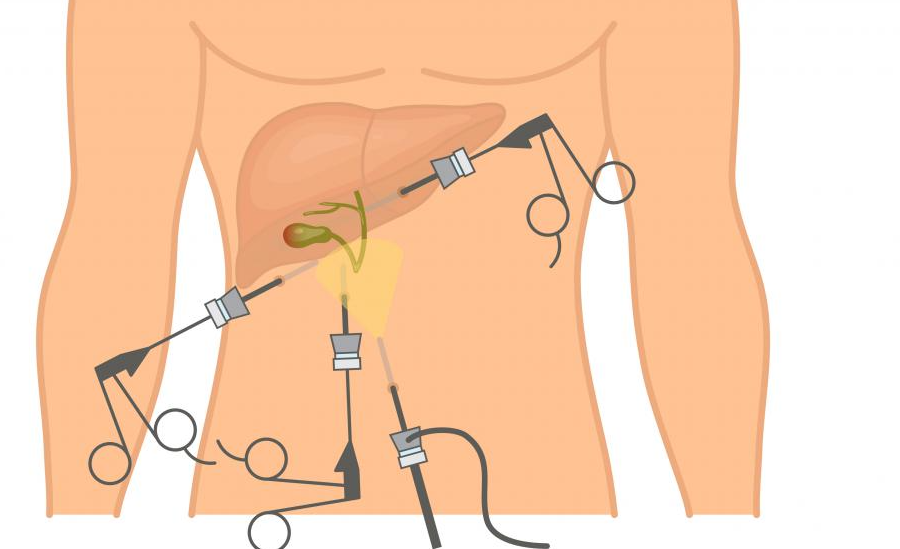
The modern standard is laparoscopic surgery, which is a minimally invasive surgical procedure.
- 4 small abdominal incisions
- Use of a camera (laparoscope)
- Safe removal of the gallbladder
In complicated cases, open cholecystectomy may be required.
Laparoscopic vs Open surgery
| Feature | Laparoscopic | Open surgery |
|---|---|---|
| Incision | Small | Large |
| Pain | Less | More |
| Recovery | Fast | Longer |
| Use | Most cases | Complicated cases |
Postoperative recovery
Patients usually become active soon after surgery. In most cases, discharge is possible within 1–2 days. Full recovery is individual but generally quick and without complications.
Possible complications
- Infection
- Bleeding
- Bile leakage
When should you see a doctor?
If you have recurrent right upper abdominal pain or suspicion of gallbladder disease, surgical consultation is necessary.
Conclusion
Gallbladder surgery (cholecystectomy) is a safe and effective method for treating gallbladder diseases. Timely diagnosis and proper surgical strategy reduce complications and ensure fast recovery.
Published: · Giorgi Shubitidze, General Surgeon