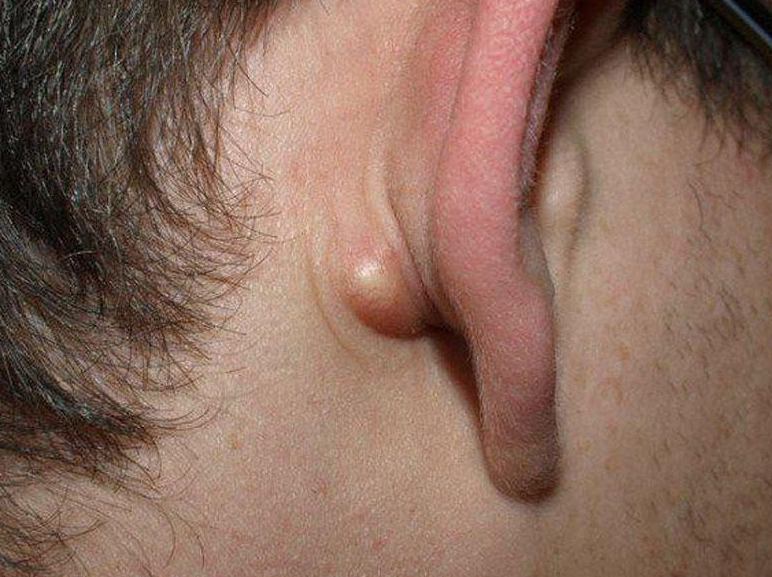
What is an Atheroma?
An atheroma is a benign skin lesion that develops under the skin as a result of blockage of a sebaceous gland duct. This leads to the accumulation of sebum and formation of a round or oval mass.
Where does it most commonly occur?
An atheroma can develop in different parts of the body, but it is most commonly found in:
- The scalp (hairy part of the head)
- Face
- Neck
- Back
How does it present?
- Round, mobile mass under the skin
- Usually painless
- Slowly increases in size
- Sometimes a small central punctum (duct opening) is visible
When does it become concerning?
An atheroma can become inflamed. In such cases, the following may develop:
- Pain
- Redness
- Swelling
- Purulent (pus) infection
In case of inflammation, timely surgical intervention may be required.
When is removal necessary?
Removal of an atheroma is recommended when it:
- Increases in size
- Causes discomfort
- Frequently becomes inflamed
- Is located in a visible or frequently traumatized area
How is the surgery performed?
Surgical treatment involves complete excision of the atheroma with its capsule. This is important because simple drainage of the contents often leads to recurrence.
The procedure is usually performed under local anesthesia and does not require long recovery.
Conclusion
An atheroma is a benign lesion, however in case of inflammation or growth, surgical evaluation is required. The treatment strategy depends on the clinical condition.
Published: · Giorgi Shubitidze, General Surgeon