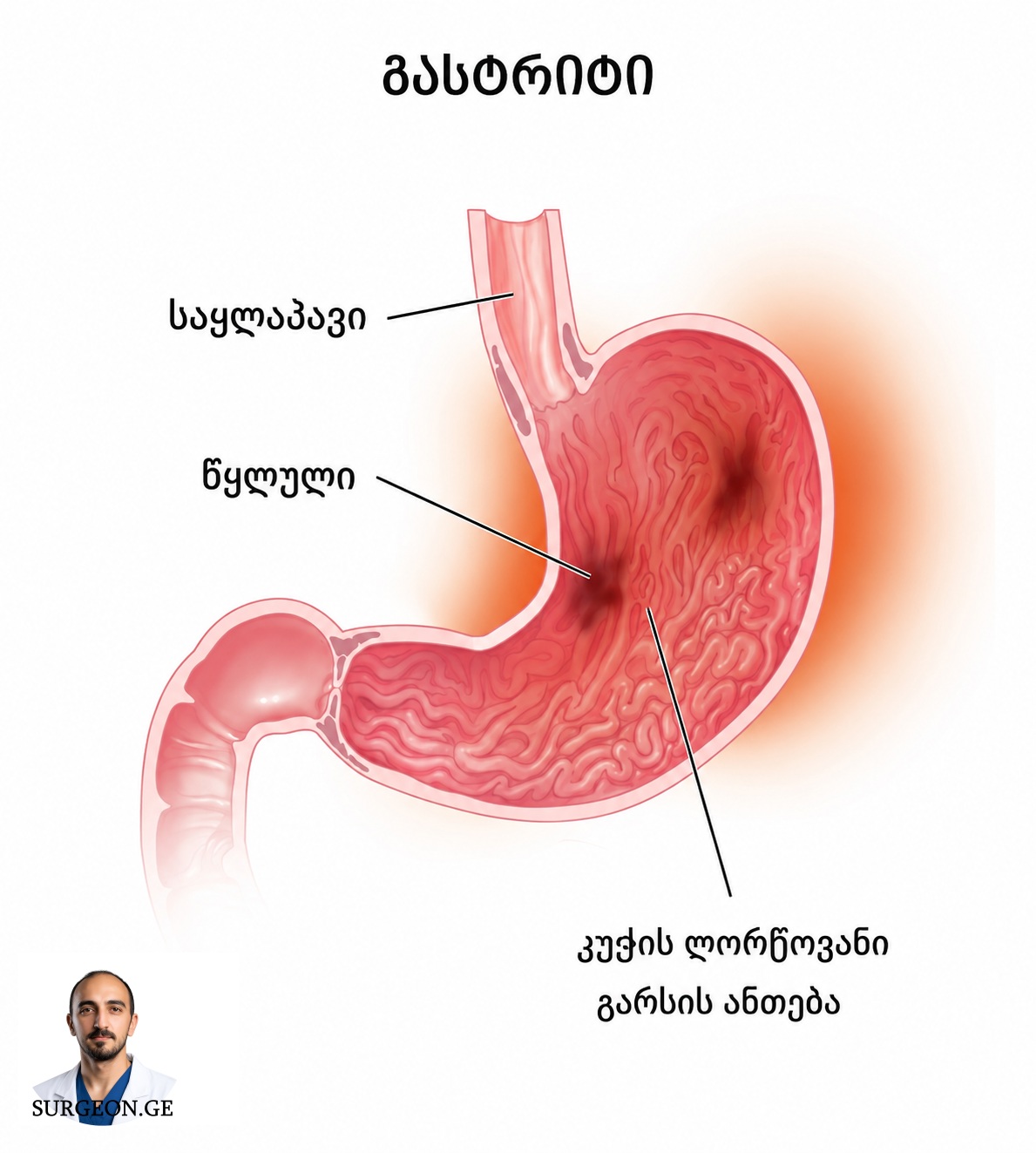
Diet for Stomach Conditions — What to Eat and What to Avoid
A complete guide to eating well with a stomach ulcer, gastritis, erosions, and high acidity
Why diet matters for stomach conditions
For conditions affecting the stomach lining — ulcers, gastritis, erosions, and high acidity — diet is an integral part of treatment. The right food choices reduce acid production, ease the mechanical and chemical strain on the lining, and support tissue healing, while poor food choices do the opposite — worsening symptoms and slowing recovery.
Diet changes how severe symptoms feel, but it doesn't replace treatment — an accurate diagnosis and treatment plan for an ulcer, gastritis, or erosions (including H. pylori testing and appropriate medication when needed) is a doctor's responsibility.
General principles for a stomach-friendly diet
Regardless of the specific condition, stomach-friendly eating rests on a few shared rules:
- 🍽️ Frequent, smaller meals — 5–6 times a day rather than large portions
- 🌡️ Moderate temperature — avoid very hot or very cold food and drinks
- 🦷 Chew thoroughly and eat slowly, without rushing
- 🚭 Cut out alcohol and smoking — both irritate the lining and slow healing
- 💊 Use painkillers cautiously — NSAIDs (such as ibuprofen or aspirin) worsen damage to the stomach lining
- 🛏️ Leave 2–3 hours between eating and lying down — to help prevent acid reflux
Diet for a stomach ulcer
With a stomach ulcer, the main goal is reducing mechanical and chemical strain on the lining. Soft, well-cooked or steamed foods are recommended — porridge (rice, oats), boiled or steamed meat and fish, cooked vegetables (pumpkin, carrot, potato), banana, and baked apple. Acidic, spicy, fried foods and those high in coarse fiber should be avoided, as they irritate the lining mechanically.
Treating an acute stomach ulcer
Alongside diet, treating an acute stomach ulcer is mainly medication-based and covers several fronts:
The treatment plan always relies on a diagnosis confirmed by endoscopy — self-prescribed medication before the diagnosis is confirmed is not recommended.
Diet for gastritis
With gastritis (inflammation of the stomach lining), the dietary principles resemble those for an ulcer — light, easily digestible food in small portions. It's important to cut out spicy seasonings, smoked and salty foods, as well as strong coffee and carbonated drinks, all of which directly irritate the inflamed lining. Gastritis and diet are closely linked — the right food choices often determine how quickly a flare-up settles and how long remission lasts. Specific recommendations vary by the type of gastritis:
Diet for high stomach acidity
With elevated stomach acidity (including acid reflux and heartburn symptoms), the priority is limiting foods that trigger acid production or relax the esophageal sphincter — citrus fruits and their juices, tomatoes and tomato sauces, chocolate, mint, spicy dishes, fatty and fried food, coffee, and carbonated drinks. It helps to have your last meal at least 2–3 hours before bed and to sleep with your head slightly elevated.
Diet for stomach erosions
Stomach erosions — superficial damage to the lining — call for an approach similar to the ulcer diet, but even stricter during the acute phase: the softest possible food, further mashed or pureed, with acidic, spicy, and coarse foods excluded entirely until the lining heals.
What's allowed and what's not — a food table
The table below summarizes which food groups are recommended for a stomach-friendly diet, and which should be limited or avoided:
| Category | ✅ Recommended | 🚫 Limit / avoid |
|---|---|---|
| Grains & bread | Rice and oatmeal porridge, slightly stale bread | Fresh hot bread, rich pastries |
| Meat & fish | Boiled or steamed lean meat, fish, eggs | Fried, fatty, smoked meat |
| Vegetables | Cooked carrot, potato, pumpkin, zucchini | Raw cabbage, raw or spicy garlic and onion |
| Fruit | Banana, baked apple | Citrus fruits and juices, other acidic fruit |
| Dairy | Low-fat, non-acidic yogurt, kefir | Fatty, sour, or heavily flavored dairy products |
| Drinks | Mild herbal tea (chamomile), plain water | Alcohol, strong coffee/tea, carbonated drinks |
| Seasonings & sauces | A little salt, a small amount of olive oil | Spicy seasonings, vinegar, pickles, tomato sauce |
Diet during stomach pain or irritation
During an episode of acute pain or irritation, eating should return in stages:
Meal schedule — general advice
- ⏰ eat at the same times each day, without breaking your routine
- 💧 drink enough water through the day, ideally between meals rather than in large amounts while eating
- 🚶 avoid lying down right after eating or engaging in intense physical activity
- 📝 keep a food diary — it helps you identify which foods cause discomfort for you personally
Warning signs — when to see a doctor immediately
No diet replaces urgent medical evaluation if you notice: vomiting blood or "coffee-ground" vomit, black, tarry stools, sudden and severe abdominal pain, unexplained weight loss, difficulty swallowing, or prolonged, uncontrollable vomiting — these can signal bleeding or a perforated ulcer and require immediate medical attention.
Frequently asked questions
What diet is generally recommended for the stomach, without a specific diagnosis?
Frequent, small meals, light and mildly-irritating food, and limiting alcohol, spicy food, and carbonated drinks — these general principles help with most stomach issues, though the exact recommendation depends on the specific diagnosis.
What does a diet for an "irritated stomach" mean?
The term usually refers to temporary, light, and mechanically gentle eating during a flare-up of symptoms (pain, a feeling of heaviness, nausea), until things settle down.
How long should you follow a diet for an ulcer or gastritis?
Duration is individual and depends on the severity of the condition and how it responds to treatment — your doctor sets the exact timeline based on follow-up evaluation.
Can you have dairy products with a stomach ulcer?
Low-fat, non-acidic dairy products are usually well tolerated, though individual sensitivity can vary — adjust based on how you personally respond.
What's the difference between the diet for acute and chronic gastritis?
With acute gastritis, the diet is stricter and temporary — the focus is on light, pureed food until the flare-up settles. With chronic gastritis, the diet is long-term and aimed at maintaining remission, even when symptoms are absent.
About the author
Giorgi Shubitidze, MD — general and laparoscopic surgeon, Tbilisi.
To confirm a diagnosis or discuss an individual treatment and diet plan, get in touch through surgeon.ge.
This article is for informational purposes only and does not replace individual medical consultation. For an accurate diagnosis and a personalized diet plan, see a doctor.
Published: · Giorgi Shubitidze, General Surgeon