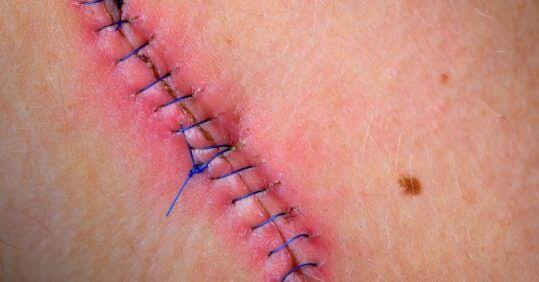
Surgical Wound Care After Surgery — A Complete Guide
Proper care of a surgical incision directly affects how quickly it heals and how the resulting scar looks. Following a few simple, consistent rules significantly reduces the risk of infection and complications.
Wound closure methods and removal timelines
| Method | When it's removed |
|---|---|
| Standard sutures / staples | 3-14 days, depending on wound size and location |
| Dissolvable stitches | Dissolve within 1-2 weeks, sometimes taking a few months to fully resolve |
| Steri-Strips | Fall off on their own after about 2 weeks |
| Surgical glue | Dries and detaches within 5-10 days |
How to care for the wound at home
- ✓ Wash your hands before and after touching the wound
- ✓ Follow your doctor's instructions for removing/changing the dressing
- ✓ Check the wound daily for signs of infection
- ✓ Wear loose, non-restrictive clothing over the wound area
- ✓ Use only clean water or mild soap when cleaning
Shower or bath?
Showering is generally safe about 48 hours after surgery, unless your doctor says otherwise. However, soaking in a bathtub, swimming pool, or hot tub is not recommended until the wound has fully healed — prolonged exposure to water increases infection risk.
What to avoid
Avoid applying hydrogen peroxide, alcohol, or iodine directly to the wound — these damage new tissue and slow healing. Clean water or a product recommended by your doctor is sufficient.
Activity restrictions
For about a month, avoid heavy lifting, straining, and intense physical activity — this protects the wound from reopening and supports proper healing.
⚠ Signs of infection — contact your doctor immediately
- Increased drainage or bleeding that won't stop with pressure
- Redness extending beyond the wound edges
- Tissue color changes (yellow, black)
- Foul odor or pus from the wound
- Fever around 38.3°C (101°F) with chills
- Pain not relieved by medication
- Wound edges separating, or stitches coming out early
Scar care
Proper wound care reduces how noticeable the resulting scar is. Follow your doctor's instructions, keep the wound clean and dry, and avoid movements that put excess tension on the area during healing.
Frequently Asked Questions
How soon after surgery can I shower?
Usually about 48 hours, unless your doctor specifies otherwise.
Is pain around the wound normal?
Mild discomfort is normal in the first few days; severe, worsening, or medication-resistant pain needs a doctor's evaluation.
How long until stitches are removed?
Depends on type and location — standard sutures typically need 3-14 days, while dissolvable ones disappear on their own.
Can I apply cosmetic products to the wound area?
Not recommended until the wound has fully healed — ask your doctor about scar care products.
What should I do if the dressing gets wet?
The dressing needs to be changed — a damp dressing increases infection risk.
Conclusion
Proper wound care is a simple but critical part of recovery. Good hygiene, watching for signs of infection, and precisely following your doctor's instructions ensure fast, safe healing. See also our articles on gallbladder surgery and appendicitis.
About the author
Giorgi Shubitidze — general surgeon and laparoscopist, Tbilisi. Performs both planned and emergency operations and provides patients with detailed post-operative instructions.
If you have questions about your wound healing process — both in-person and online consultations are available. Contact us via surgeon.ge.
This article is for informational purposes only and does not replace individual medical consultation. Always follow your surgeon's specific instructions.
Published: · Giorgi Shubitidze, General Surgeon